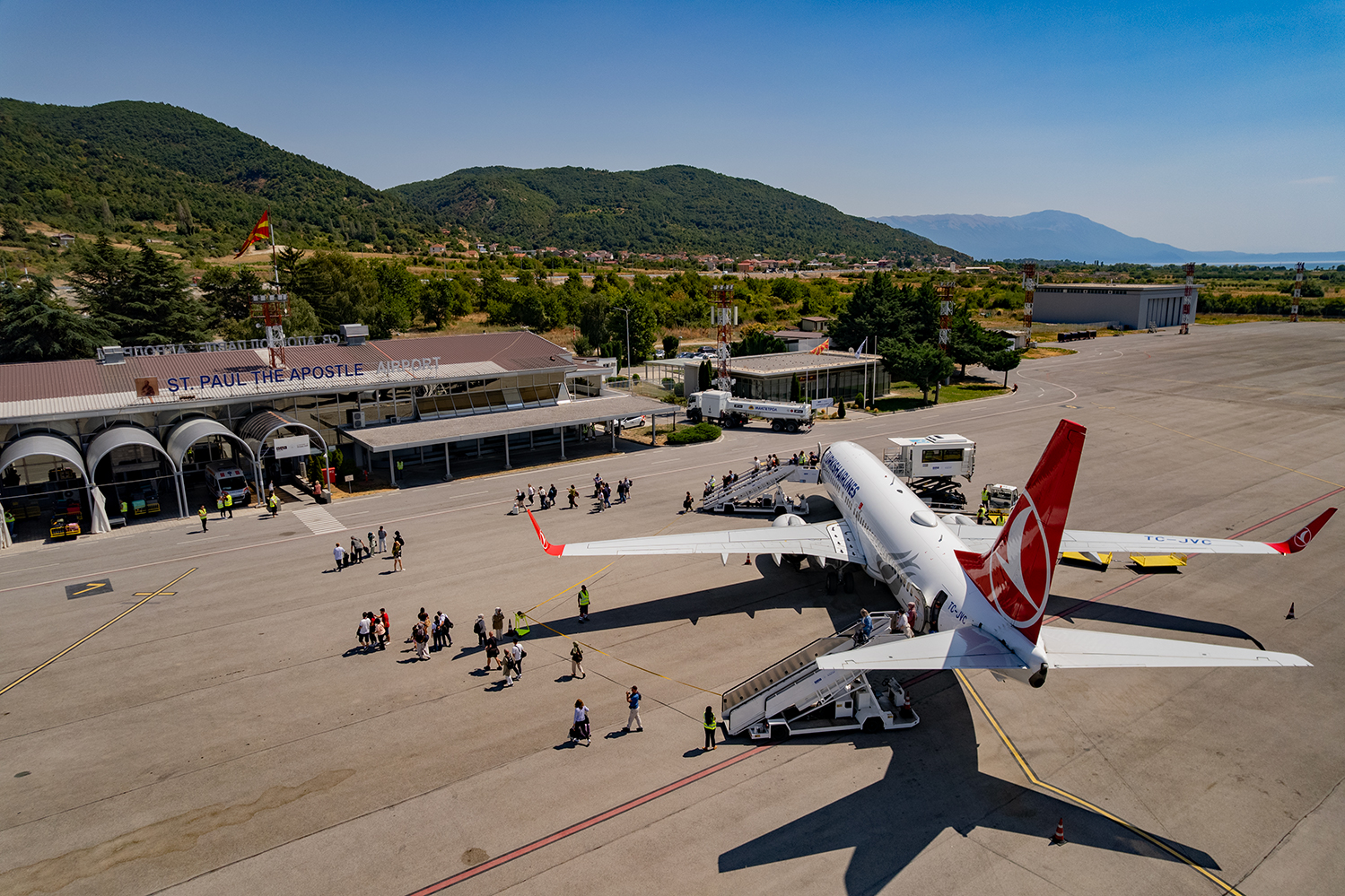
TAV AIRPORTS: Ohrid Airport sets new record - 41% passenger traffic growth in July; Macedonian airports with 28% growth are among the fastest growing in Europe, according to ACI Europe
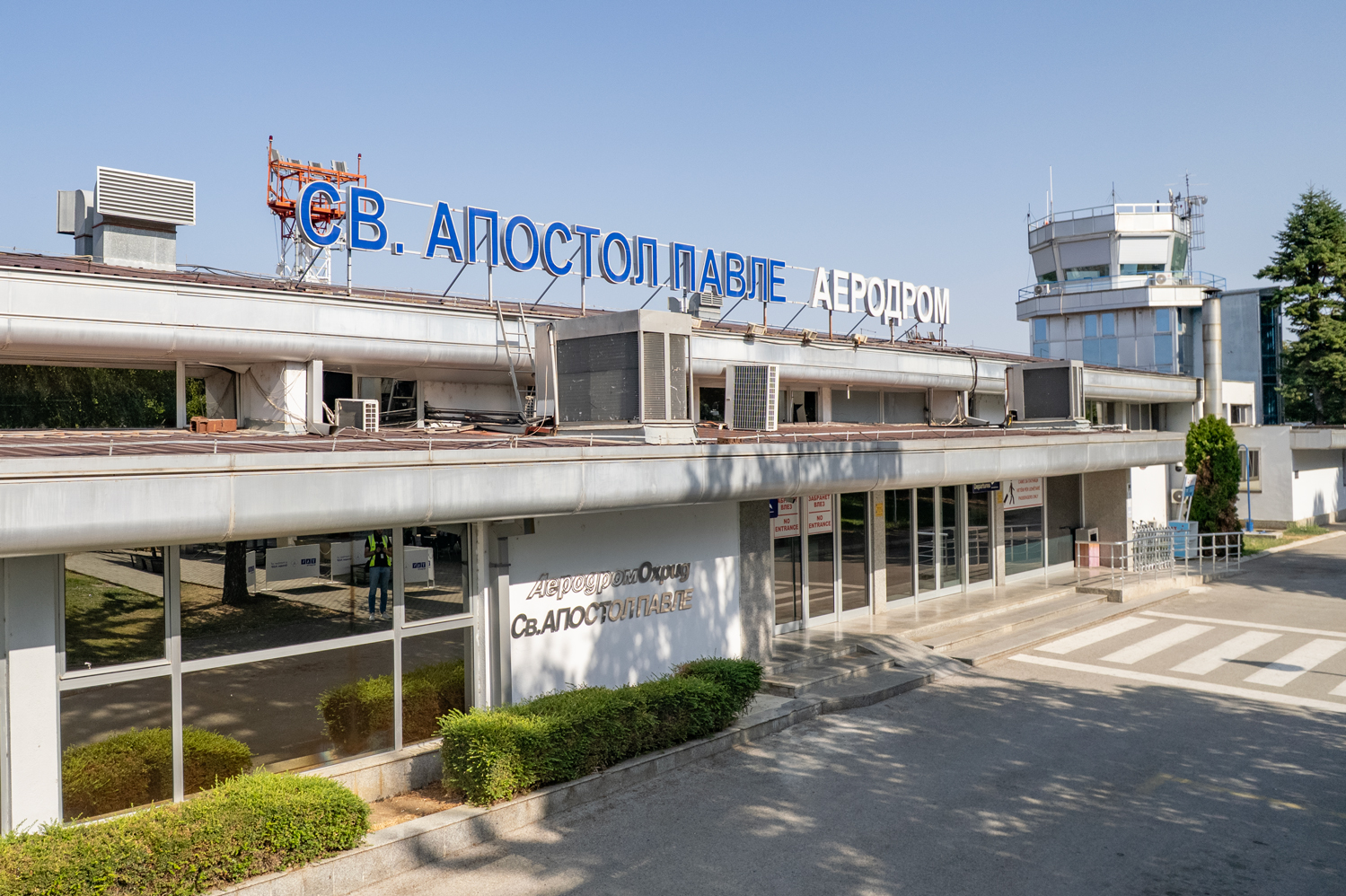
Ohrid St. Paul the Apostle Airport, operated by TAV Macedonia, a subsidiary of TAV Airports and a member of Groupe ADP, recorded the most successful month of July in its history, setting new records in both passenger traffic and flight operations.
During July, Ohrid Airport served 52,544 passengers, representing a 41,21% increase compared to the same month last year. At the same time, 443 flights were operated, marking a 34,65% increase compared to July 2025.
The airport also set two additional historic records during the month. On July 26, Ohrid Airport recorded the busiest day in its history, serving 2988 passengers, while on July 20 it handled a record 22 flights in a single day.
The positive trend is also reflected in the cumulative results. From January to July, Ohrid Airport served a total of 175,182 passengers, an increase of 24,24% compared to the same period last year. During the same period, 1350 flights were made, representing a 28.69% increase in air traffic.
Skopje International Airport also continued to record strong growth.
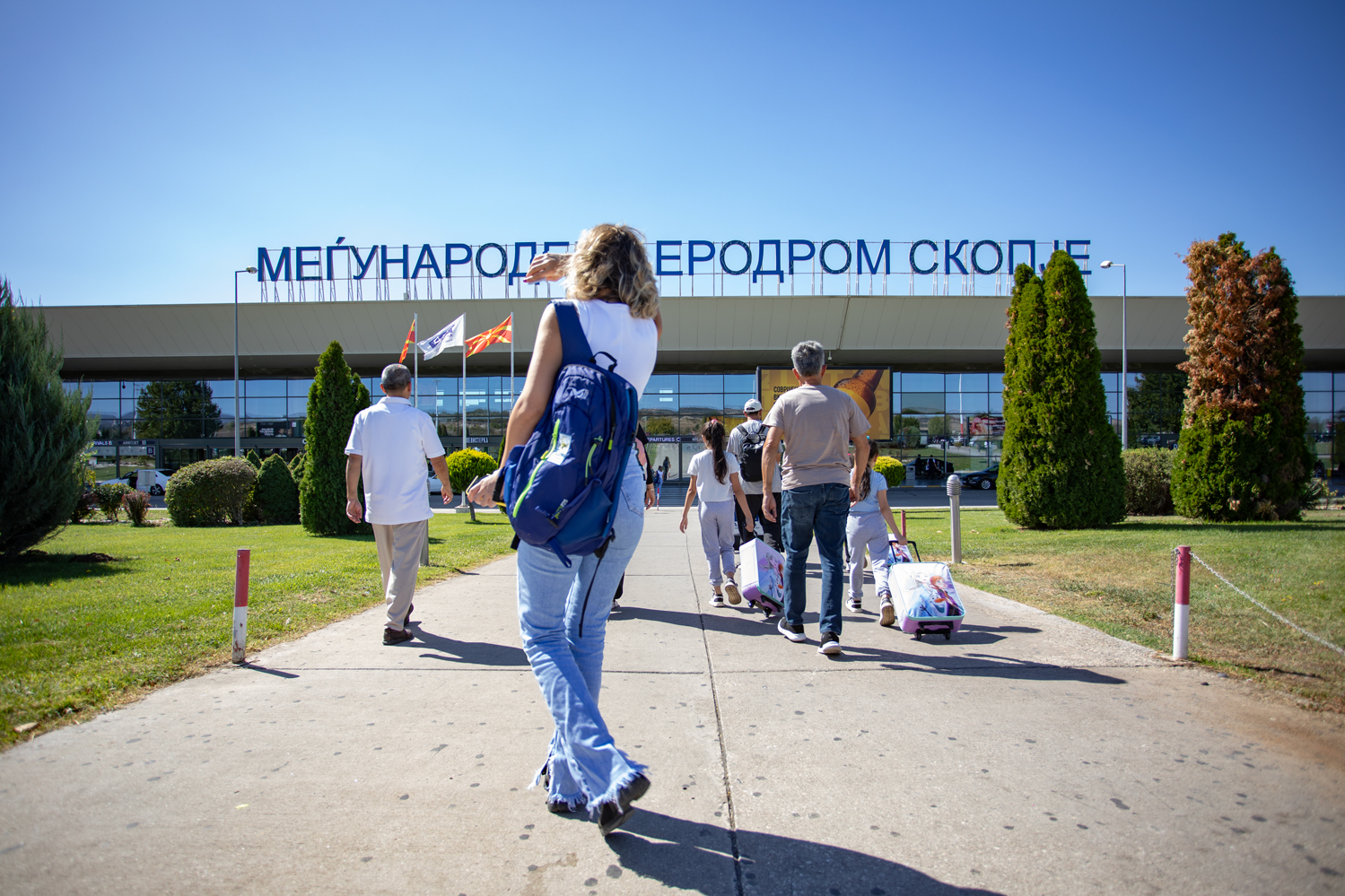
During July, Skopje Airport served 408,925 passengers, representing a 29.5% increase compared to the same month last year, while 2,670 flights were operated, 10.3% more than in July 2025.
July 31 was the busiest day at Skopje International Airport, with 16,347 passengers served, while the highest number of flights in a single 101 flight operations was recorded on July 20.
From January to July, Skopje International Airport served a total of 2,241,935 passengers, representing a 29% increase compared to the same period last year, while 14,930 flights were operated, an increase of 7.1%.
In the first 7 months of the year, Skopje and Ohrid airports together served 2,4 million passengers (2,241,935) and 16,280 flights, which is an increase of 28.4% in passenger traffic growth and 8.6% in the number of operations.
"The continuous strong growth we have been recording at both Macedonian airports over an extended period makes us extremely proud. The record-breaking results achieved by Ohrid Airport are yet another confirmation that the hard work, clear vision, dedicated efforts and long-term strategy of TAV Macedonia are delivering tangible results. The launch of new routes and the joint efforts with the Government to attract new airlines are making Ohrid an increasingly accessible and attractive destination for both passengers and tourists. These results confirm that our investments in expanding the route network and enhancing the services at both airports are creating new opportunities for the development of tourism and the economy," said Nejat Kurt, TAV Macedonia General Manager.

Nejat Kurt, TAV Macedonia General Manager
Kurt emphasized that, despite the ongoing reconstruction works at Ohrid Airport, airport operations continue without interruption. Despite the extensive construction activities, scheduled flight operations and passenger services continue to run according to plan.
The success of TAV Macedonia has once again been recognized by Airports Council International – Europe (ACI EUROPE).
According to ACI Europe latest report for the first half of 2026, while airports across EU had a passenger traffic increase of 2,6%, compared to the first six months of 2025, North Macedonia is the leader among non-EU+ countries in terms of passenger traffic growth, with an increase of 27.9%, ahead of Moldova (+21%), Albania (+17.2%), Uzbekistan (+15.7%), Armenia (+11%) and Montenegro (+10.4%).
Besides this, ACI EUROPE ranked Skopje International Airport among the fastest-growing medium-sized airports in Europe, with passenger traffic increasing by 28.6%.
TAV Macedonia will remain committed to the development of both Macedonian airports by expanding the route network, further improving airport services, and creating new opportunities for passengers, tourism, and the country's economic development.